
Why Power-Based Indoor Cycling Never Took Over
Let’s start with an uncomfortable truth.
Power is one of the most precise, individualised, and progressive training metrics for cycling. It objectively tells you how hard someone is working in terms of human expenditure and recovery and whether they’re improving. In almost any other cycling context, it’s non-negotiable.
And yet, in indoor cycling studios, power-based classes remain niche — while rooms full of riders bounce rhythmically on stationary bikes to vaguely motivational playlists with no structure, no progression, and no discernible training purpose whatsoever.
This isn’t a failure of technology.
It’s a failure of how responsibility has historically been assigned.
The Instructor Dependency Nobody Wants to Talk About
Traditional power-based indoor cycling concepts placed a quiet but enormous burden on instructors.
They required understanding of thresholds, zones, testing protocols, and physiological nuance — all while managing a live room, coaching safely, observing fatigue, cueing cadence, managing resistance, and keeping participants engaged.
That expectation fundamentally misunderstands the role of the indoor cycling instructor.
Indoor cycling instruction is a Level 3 group exercise discipline, designed around safety, inclusivity, and relative effort — not physiological testing, performance prescription, or threshold-based training design. Asking instructors to deliver FTP testing, interpret power zones, or manage individualised training load introduces risk, liability, and scope-of-practice concerns that most CPD pathways rightly avoid.
This was never about instructor resistance.
It was about instructors being asked to carry responsibility that didn’t belong with them.
The Rhythm of Cycling
If a class has no structure, it can’t be delivered incorrectly.
If it has no progression, it can’t fail to progress anyone.
If it has no measurable intent, no one can question the outcome. No one can deny that ‘traditional’ Rhythm based sessions are not benefitting riders to some degree if delivered competently by a good, qualified instructor, but even the best instructors cannot guarantee any progression …. Or give specific training outcomes.
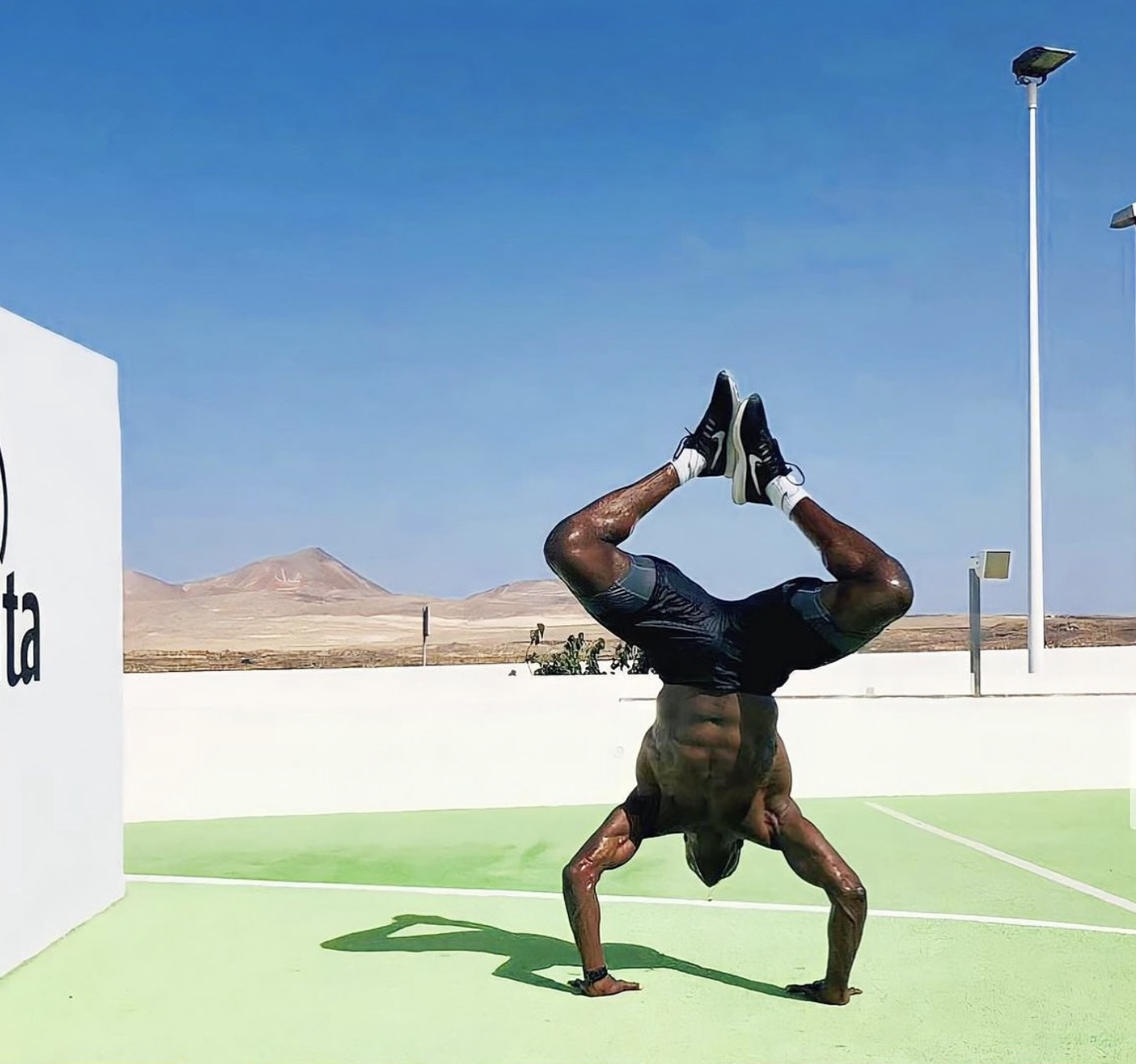
…… And of course we were bound to arrive at the inevitable. As Rhythm and music are the only ingredient, this allowed some instructors the opportunity to break the mold completely…….. Maybe for shock value, certainly for likes we arrive at the modern phenomenon of the Instagram influenced, ‘non traditional‘ rhythm-only indoor cycling class — where training intent is replaced by increasingly enthusiastic head-shaking, upper-body choreography that would alarm most biomechanists, and the firm belief that “feeling it in your soul” is a valid substitute for stimulus and recovery. We have even got instructors riding on one pedal performing gymnastics over the bike….. Now I’m pretty sure that the CPD accreditors don’t offer CPD points for this and the risk and liability lawyers must be rubbing their hands together!!!
There is nothing wrong with a music focussed class…. These classes are easy to teach, they’re easy to timetable, and critically, they can be taught with no risk.
That is why they scale….. However, if power is the ultimate human metric and cycling is the purest form of functional power training then aren’t we missing something here …. ?
The Operator’s Quiet Complicity
Now let’s be fair to operators — because this is where the picture becomes clearer.
Operators don’t wake up wanting unstructured classes. What they want is full rooms, minimal complaints, and delivery that is consistent, safe, and defensible.
When a class proposition relies on instructors interpreting complex physiological data in real time — without systems to support them — structure becomes risky. Accountability becomes uncomfortable. And anything that introduces testing, prescription, or measurable progression carries operational and legal implications.
So instead of embedding structured training systems, many studios defaulted to formats where delivery risk was minimal and responsibility was diffuse — often centred around music, energy, and personality rather than training intent.
The unintended outcome?
Studios that burden their instructors and their private spotify playlists more and more to deliver the sessions….. Accompanied of course by the ppl license fee that accompanies every class taught with original artist music.
Why Power Should Have Won Easily — But Didn’t
Power-based indoor cycling should have been the answer to all of this. It uses music, of course it does, and it’s it’s all rhythm-based to guide the RPM but its not reliant on the music. It takes the focus off the music and places it on the ride itself. It offers structure. It offers progression. It offers individualisation. It offers inclusivity it offers immersion not only audibly but visually too.
But it failed to scale, and that is because it asked instructors to carry the complexity and deliver the product and that is not their role.
It asked instructors — whose role is delivery and safety — to act as physiologists.
It asked operators to manage expertise rather than systems.
And it asked studios to absorb risk without appropriate technical infrastructure.
So power was sidelined in so many studios and where it is employed the maintainable of the concept is overwhelming — not because it doesn’t work, but because it required the responsibility of the complexity to be held somewhere new.
Ciclo: The complexity within the system
Ciclo takes a fundamentally different approach.
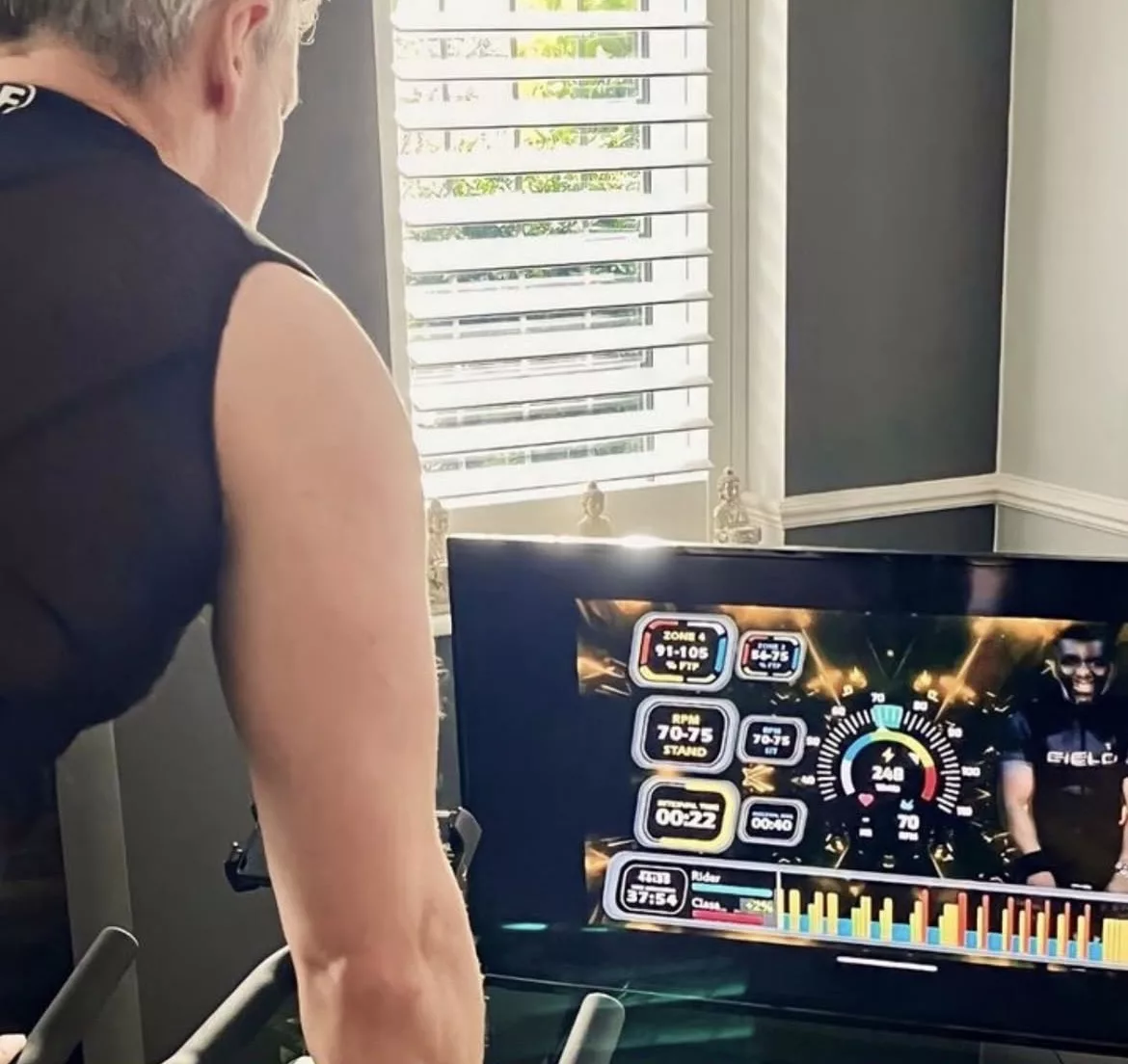
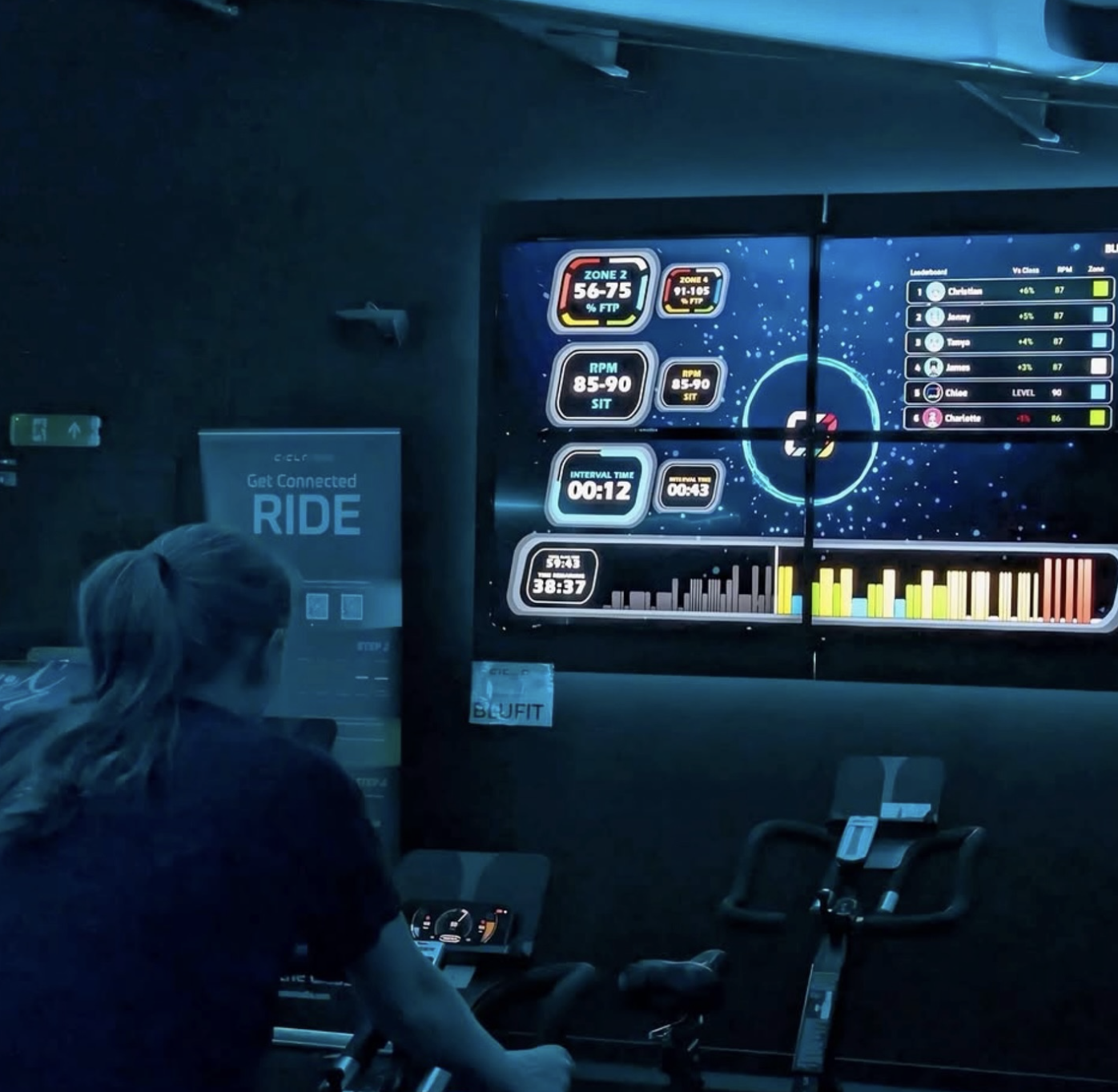
Instead of asking instructors to understand power training, Ciclo understands it on their behalf. The instructors simply deliver the class as before based on intervals of RPM and intensity and the platform interprets the effort, individualises difficulty, guides the riders and manages progression automatically — without testing, prescription, or physiological explanation required on the studio floor.
Instructors deliver classes exactly as they are trained to do:
Coaching cadence (RPM)
Guiding resistance choice
Managing safety and fatigue
Creating an engaging group experience
The complexity sits where it belongs — within the system, eliminating FTP testing with Adaptive FTP which sits and operates within the classes themselves, and delivering structured, profiled content ready for instructors to do their thing!!!
Riders receive structured, effective training.
Instructors remain protected and confident.
And operators finally own a scalable, defensible product.
The Real Shift
Ciclo doesn’t replace instructors. It protects them.
It doesn’t reduce energy. It gives it purpose.
And it doesn’t ask operators to choose between safe delivery and effective training — it delivers both.
Power-based indoor cycling hasn’t failed.
It’s simply been waiting for a system mature enough to carry the responsibility.
Enter Ciclo and CicloStudio.