
Why Power-Based Indoor Cycling Never Took Over
(And Why Ponytails, Playlists, and Operator Complacency Did)
Let’s start with an uncomfortable truth.
Power is one of the most precise, individualised, and progressive training metrics for cycling. It objectively tells you how hard someone is working in terms of human expenditure and recovery and whether they’re improving. In almost any other cycling context, it’s non-negotiable.
And yet, in indoor cycling studios, power-based classes remain niche — while rooms full of riders bounce rhythmically on stationary bikes to vaguely motivational playlists with no structure, no progression, and no discernible training purpose whatsoever.
This isn’t a failure of technology.
It’s a failure of responsibility.
The Instructor Dependency Nobody Wants to Talk About
Traditional power-based indoor cycling concepts place a quiet but enormous burden on instructors. They require understanding of thresholds, zones, testing protocols, and physiological nuance — all while managing a live room, coaching safely, and keeping the energy high.
That’s not group exercise. That’s performance coaching with a microphone.
Studios know this. Operators know this. And rather than solve it, the industry largely chose the path of least resistance.
Which brings us to the alternative that did scale.
The Rise of the Lowest Common Denominator Class
If a class has no structure, it can’t be delivered incorrectly.
If it has no progression, it can’t fail to progress anyone.
If it has no measurable intent, no one can question the outcome.
And so we arrive at the modern phenomenon of the rhythm-only indoor cycling class — where training intent is replaced by increasingly enthusiastic head-shaking, upper-body choreography that would alarm most biomechanists, and the firm belief that “feeling it in your soul” is a valid substitute for stimulus and recovery.
These classes are easy to teach.
They’re easy to timetable.
And most importantly — they keep instructors happy.
The Operator’s Quiet Complicity
Now let’s be fair to operators — because this is where things get interesting.
Operators don’t wake up wanting unstructured classes. What they want is full rooms, minimal complaints, and instructors who don’t send emotionally charged messages at midnight because someone questioned their playlist.
When your entire class proposition relies on the personality, following, and mood stability of individual instructors — structure becomes dangerous. Accountability becomes awkward. And anything that requires consistency, explanation, or progression suddenly feels like a threat.
An unhappy instructor, after all, is a very difficult thing to manage.
So instead of building structured class concepts, many studios outsource structure entirely — to the instructor’s Spotify account, social media following, and ability to “bring their people”.
The result?
Studios that don’t really own their own product!!!
Why Power Should Have Won Easily — But Didn’t
Power-based indoor cycling should have been the answer to all of this. It offers structure. It offers progression. It offers individualisation. It offers inclusivity.
But it failed to scale because it asked the wrong people to carry the complexity.
It asked instructors to be physiologists.
It asked operators to manage expertise instead of systems.
And it asked studios to choose between progression and peace.
So power was quietly sidelined in many studios — not because it didn’t work, but because it required leadership.
Ciclo: Structure Without the Drama
Ciclo takes a fundamentally different approach.
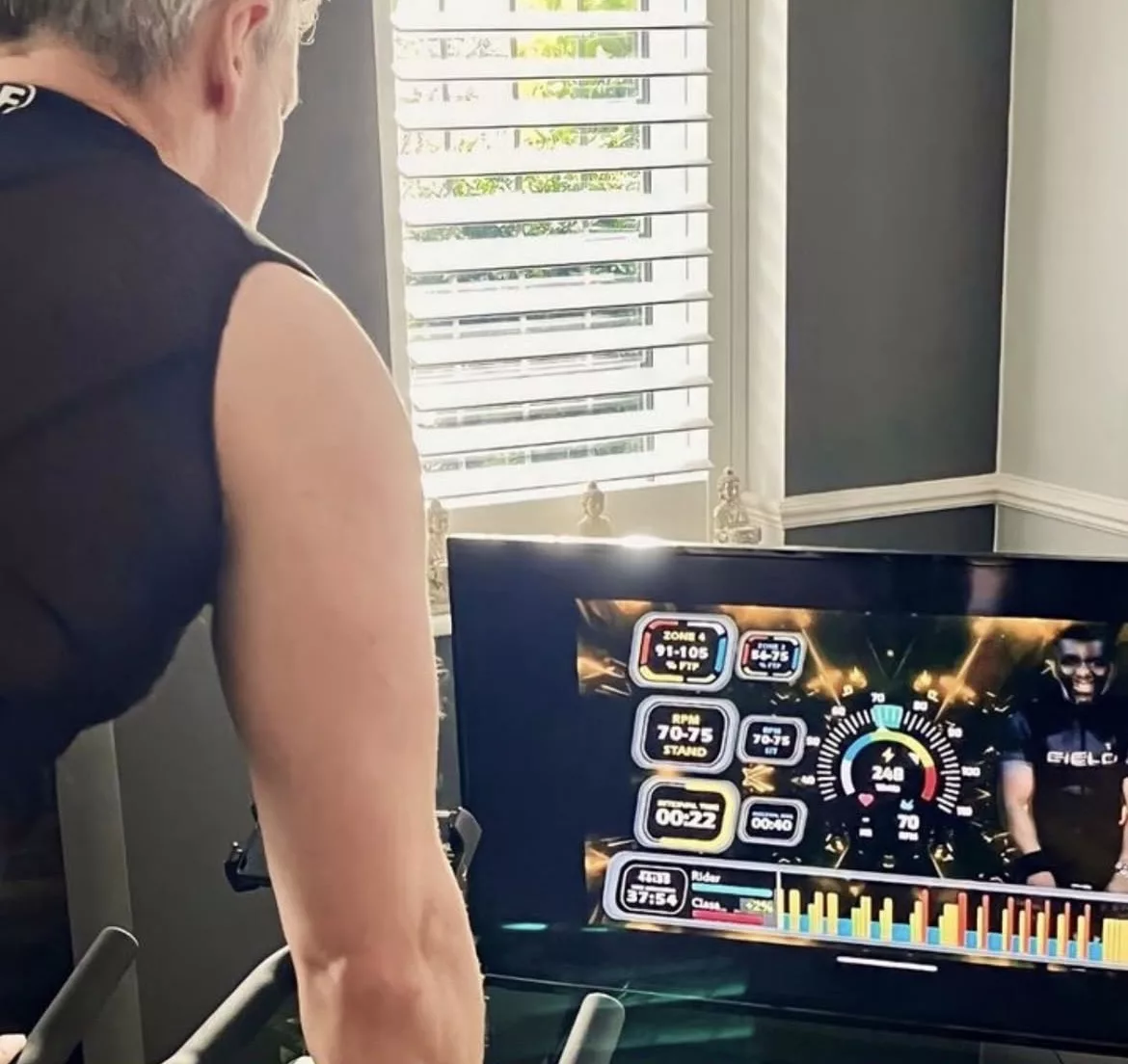
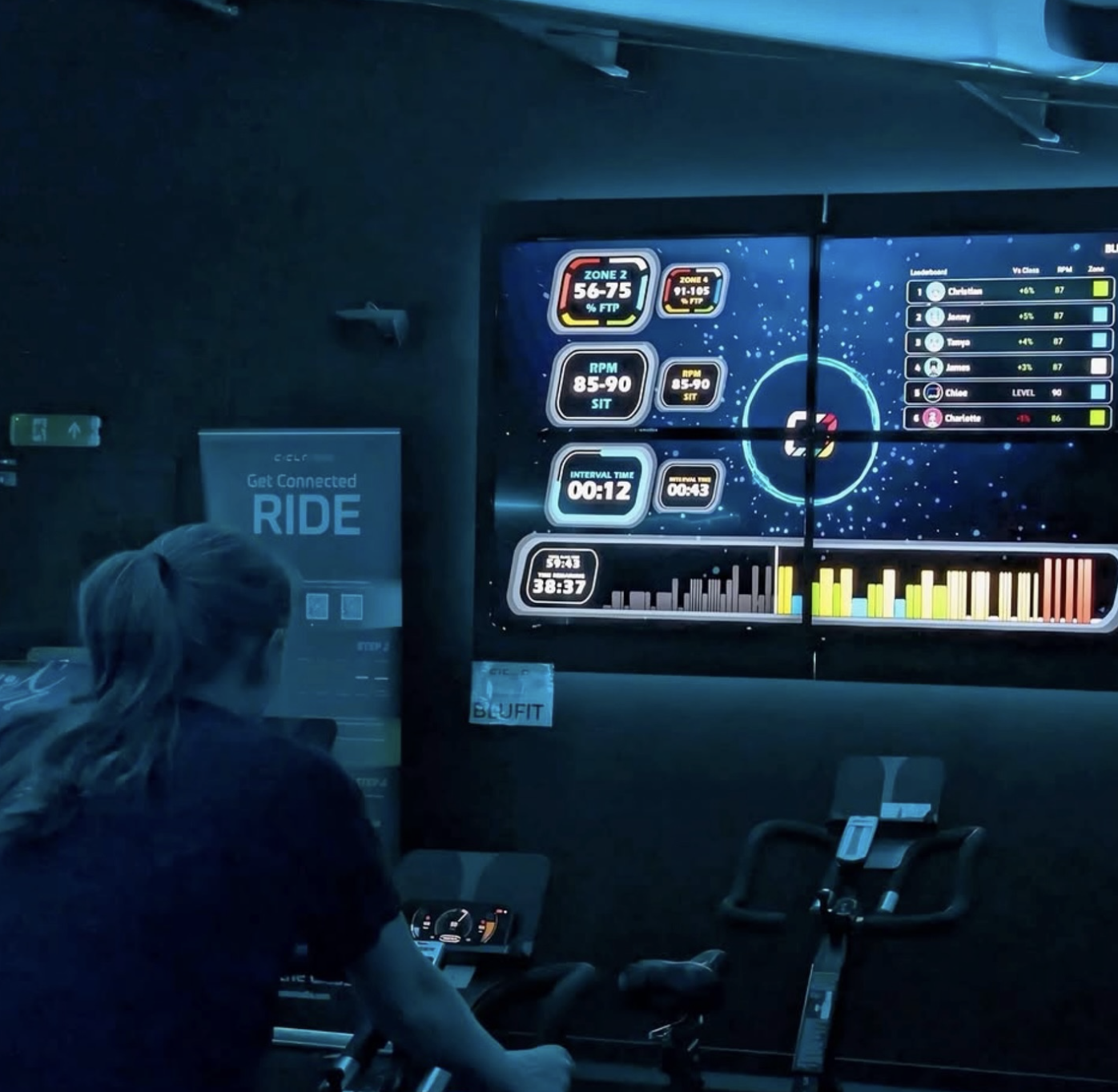
Instead of asking instructors to understand power training, Ciclo understands it for them. The platform interprets effort, individualises difficulty, and manages progression automatically — without testing, prescription, or explanation required on the floor.
Instructors can teach confidently without becoming data analysts.
Riders get training that actually works.
And operators finally own a structured, scalable product that doesn’t depend on managing personalities to succeed.
No midnight messages.
No biomechanically adventurous bouncing.
No pretending chaos is creativity.
The Real Shift
Ciclo doesn’t replace instructors.
It protects them.
It doesn’t remove energy.
It gives it purpose.
And it doesn’t ask operators to choose between happy instructors and effective training — it delivers both.
Which is why power-based indoor cycling hasn’t failed.
It’s just been waiting for a system mature enough to carry the responsibility. Enter Ciclo and CicloStudio.